Embroidery Business: A Real-World Logo Review
As a designer who has spent years translating digital files into tangible thread, I approach every new machine embroidery design with a mix of excitement and skepticism. The gap between a pretty screen graphic and a stitched reality is often where projects succeed or fail. Today, I am putting the Embroidery Business logo through its paces. This isn't just about whether the file opens correctly; it is about whether this specific piece of Graphics can survive the rigors of production on real fabric for your craft business.
First Impressions: Visual Weight and Personality
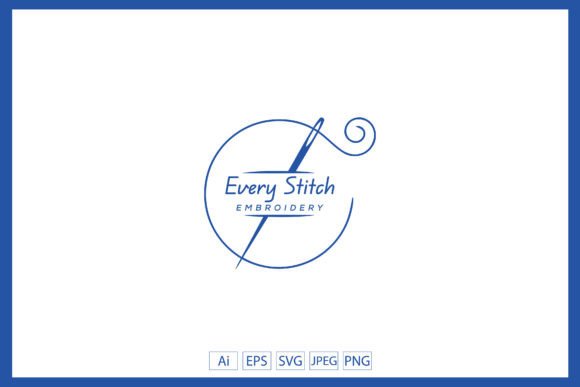
When I first loaded the Embroidery Business file into my digitizing software, the immediate impression was one of bold simplicity. In the world of Logos, clarity is king. Many designs try to do too much, resulting in muddy stitching that loses definition once threaded. This design, however, strikes a balance that feels professional right out of the gate. The lines appear clean, suggesting that when converted to satin stitch or dense fill stitch, the edges will remain crisp rather than bleeding into adjacent areas.
The visual personality here is versatile. It doesn't scream "trendy" in a way that will date your brand next season. Instead, it offers a timeless structure that works well for a variety of small shop product lines. Whether you are building a boutique brand or creating personalized items for clients, the layout suggests stability. For an Etsy seller looking to elevate their finished product from a hobby item to a premium good, this kind of visual confidence is essential.
Testing the Waters: A Custom Tote Bag Scenario
To truly understand how Embroidery Business performs, I imagined a specific use case: a custom embroidered tote bag for a local artisan market. Tote bags are a staple for handmade product sellers, but they present unique challenges. The canvas texture can be rough, and the bags are often handled roughly by customers. I visualized placing this logo on the front panel of a sturdy cotton tote.
In this scenario, the design's strength lies in its scalability. If I were to size it up to cover a significant portion of the bag, the core elements hold their shape without becoming blocky. The contrast potential is high; using a dark thread against a natural linen bag would make the logo pop immediately. However, I also considered the reverse: a light thread on a dark denim tote. Here, the thread colors become critical. Because the design relies on clear outlines, a low-quality thread might show gaps in the running stitch sections if the tension isn't perfect. This is a reminder that while the digital embroidery file looks great, the physical execution depends heavily on your machine settings and material choices.
Navigating Fabric Challenges and Hoop Constraints
No design is universal, and Embroidery Business requires careful consideration regarding hoop size and fabric texture. While the design is robust, shrinking it down for a small cap patch or a baby onesie could compromise the finer details. On curved surfaces like caps, the geometry of the logo needs to flow with the curve. If the design contains sharp angles or tiny text, those areas might distort on a rounded surface unless the digitizing is specifically optimized for caps.
For custom apparel made from stretchy materials like jersey knit, the density of the stitches becomes a major factor. If the stitch density is too high in the center of the logo, the fabric may pucker, ruining the drape of a sweatshirt embroidery project. Conversely, if the density is too low, the backing might show through, making the personalized gift look cheap. I strongly advise testing this design on a scrap piece of your actual target fabric before committing to a full run. Use a heavy-duty stabilizer to ensure the threads lay flat and the design maintains its integrity after washing.
Commercial Viability and Brand Trust
For the creative entrepreneur, a logo is more than decoration; it is a promise of quality. When a customer receives a holiday embroidery gift or a branded apron, the stitching quality directly impacts their perception of your brand. Embroidery Business has the potential to boost customer trust because it avoids the cluttered, over-stitched look that plagues many amateur designs. The clean lines suggest attention to detail, which translates to higher perceived value.
If you are planning to sell these as embroidered patch products or include them on commercial embroidery merchandise, the design's versatility is a huge asset. It fits seamlessly into printable mockup presentations, allowing you to showcase your design assets effectively to potential clients. However, always remember to verify the licensing terms. Just because a design looks professional doesn't mean you have the rights to sell the finished goods commercially. Ensure your license covers small business merchandise sales to avoid legal headaches down the road.
Practical Designer Notes for Success
To get the most out of Embroidery Business, keep these practical steps in mind:
- Test on Scrap Fabric: Never skip the test run. Stitch the design on a spare piece of your intended material to check for puckering or thread breaks.
- Check Thread Contrast: Ensure the thread colors you select provide enough contrast against the background fabric. Test both light-on-dark and dark-on-light scenarios.
- Verify Hoop Size: Confirm that your embroidery hoop can accommodate the maximum size you intend to use without distorting the aspect ratio.
- Inspect Small Details: Zoom in on the file to see if any tiny elements might get lost during stitching, especially on textured fabrics like fleece or wool.
- Use Proper Stabilizer: Match your stabilizer to the fabric weight. Heavyweight items need tear-away or cut-away stabilizers to support the stitch count.
- Review Licensing: Double-check if the embroidery file allows for commercial use, resale of finished items, or distribution of the digital file itself.
In conclusion, Embroidery Business presents itself as a solid candidate for designers seeking a reliable, professional-looking logo. It avoids the pitfalls of over-complication and focuses on what matters: clarity and impact. Whether you are creating a baby embroidery set, a line of kitchen towels, or branding for a startup, this design offers a strong foundation. By respecting the nuances of fabric texture and taking the time to test your setup, you can turn this digital asset into a stunning, high-value physical product that stands out in a crowded market.