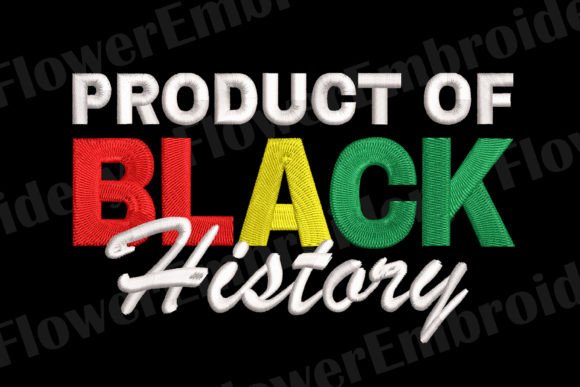
Black History Machine Embroidery Review
As a designer who has spent years navigating the intersection of meaningful messaging and technical stitching, I approach every new machine embroidery design with a critical eye. It is not enough for a file to look good on a screen; it must translate beautifully into thread, hold up under wear, and resonate with the person wearing or holding it. When I first loaded the Black History Machine Embroidery file into my digitizing software, I was immediately struck by its potential as a powerful statement piece. This is not just another decorative motif; it is a design rooted in the Awareness category that demands respect for both its cultural significance and its execution.
First Impressions: Mood and Visual Weight
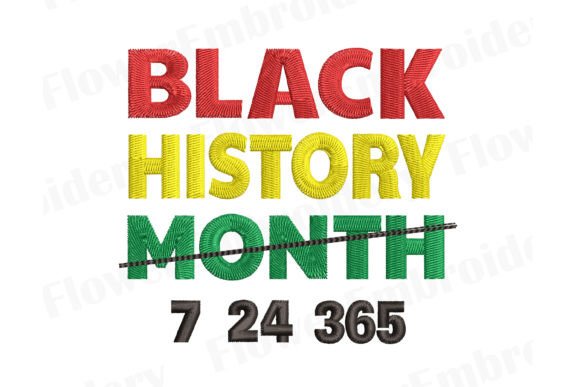
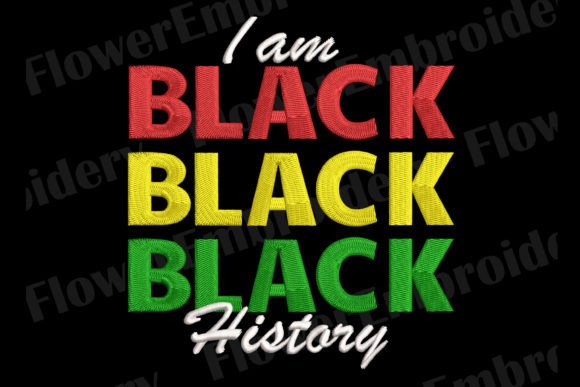
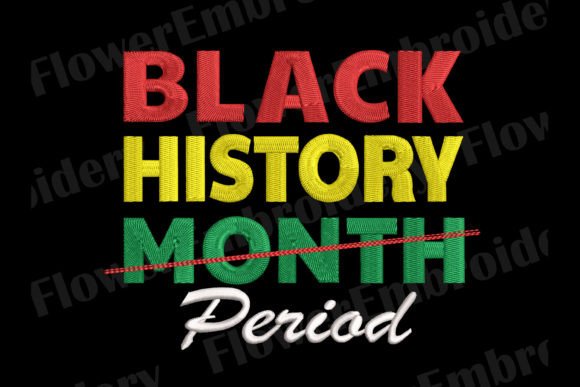
The visual personality of this embroidery project is bold yet refined. Upon opening the preview, the layout suggests a balance between intricate detail and clean lines, which is crucial for designs intended to be read from a distance. The mood it creates is one of pride and celebration, making it an ideal candidate for Juneteenth commemorations or year-round displays of heritage. Unlike many generic designs that rely on excessive fill stitch to hide poor line work, this design appears to utilize a thoughtful mix of satin stitch for definition and strategic fills for depth.
For a small business owner or an Etsy seller looking to expand their catalog with culturally relevant items, this design offers a distinct advantage. It feels like a finished product waiting to happen rather than a raw asset requiring heavy modification. The shape is versatile, allowing it to sit comfortably on the chest of a garment or centered on a home decor item without feeling cramped or lost.
Real-World Application: From Screen to Stitch
To truly evaluate the Black History Machine Embroidery, I imagined a specific scenario: creating a limited-run collection of heavyweight cotton tote bags for a local boutique. Tote bags are a staple for craft businesses because they offer a large, flat canvas, but they also present challenges regarding fabric texture and stability. In this context, the design shines. The stitch density appears sufficient to cover the weave of the canvas without puckering, provided the correct stabilizer is used.
I also considered how this would look as sweatshirt embroidery. A custom hoodie featuring this design would make a profound personalized gift for someone special. The contrast of the thread against a dark charcoal or navy sweatshirt would likely be striking. However, this brings me to a critical point for any apparel decorator: color selection is paramount. While the design itself is strong, the impact relies heavily on the chosen thread colors. A metallic gold or vibrant crimson could elevate the piece, while muted tones might lose the intended energy. Always test your color palette on a scrap piece of the actual fabric before committing to a full run.
Best Use Cases for Your Craft Business
This digital embroidery file is incredibly versatile, but it excels in specific applications where the message needs to be clear and durable:
- Custom Apparel: Perfect for t-shirts and hoodies where the design can be placed centrally or on the sleeve for a subtle nod.
- Home Decor: An excellent choice for pillow covers or kitchen towels, adding a touch of history and artistry to everyday spaces.
- Embroidered Patches: If you create patches for sale, this design works well as a standalone badge that customers can iron onto denim jackets or backpacks.
- Holiday Gifts: Beyond Juneteenth, this serves as a meaningful holiday embroidery option for birthdays or family reunions.
Navigating Technical Challenges
While the Black History Machine Embroidery is robust, it is not without its limitations. As a professional reviewer, I must advise caution when applying this design to certain materials. First, avoid using it on highly textured fabrics like thick wool or heavy corduroy unless you are experienced with adjusting tension and stabilizers. The texture can interfere with the clarity of the fine details, potentially obscuring the meaning of the design.
Secondly, consider the hoop size. If the design is large, attempting to fit it into a small 4x4 hoop will result in distorted stitching and broken threads. Always check the dimensions of the file against your machine's capabilities. For curved surfaces like caps, ensure the design does not have sharp corners that might pull the fabric unevenly. On stretchy fabrics like jersey knit, the use of a cut-away stabilizer is non-negotiable to prevent the stitches from distorting when the fabric stretches during wear.
Another area to watch is the running stitch elements. If the design includes very thin outlines, these can disappear if the thread tension is too loose or if the fabric absorbs too much tension. A quick test run on a similar fabric is essential to confirm that every line holds its integrity.
Design Notes for Professional Results
If you are planning to sell products featuring this design, whether as a handmade product or part of a larger commercial embroidery project, there are several steps to ensure quality and professionalism:
- Test on Scrap Fabric: Never skip this step. Stitch out the design on the exact fabric and stabilizer combination you plan to use. Check for gaps in the fill stitch or pulling at the edges.
- Review Thread Contrast: Ensure the design pops against the background. Low contrast can make the design look muddy and unprofessional.
- Inspect Small Details: Zoom in on the digital preview and the physical sample to ensure no tiny letters or symbols are lost in the stitching process.
- Verify Licensing: Before selling finished items or offering this as a digital download, confirm the licensing terms. Some designs are for personal use only, while others allow for commercial sales of finished goods.
- Create Mockups: Use printable mockup tools to visualize how the design looks on different products before investing in materials. This helps in marketing your items effectively.
Impact on Brand and Customer Trust
Using high-quality designs like Black History Machine Embroidery directly affects the perceived value of your brand. Customers today are discerning; they can tell the difference between a rushed job and a carefully crafted piece. When the stitching is clean, the colors are vibrant, and the message is presented with dignity, it builds trust. This design allows you to offer more than just a product; it offers a story and a connection.
For the Etsy seller or the small shop owner, incorporating such meaningful assets into your inventory can drive engagement. It shows that you care about representation and quality. Whether you are creating a baby embroidery item for a nursery or a statement piece for an adult wardrobe, the clarity and confidence of the design speak volumes about your attention to detail.
Final Verdict
The Black History Machine Embroidery is a standout asset for designers who want to create impactful, culturally significant work. It balances aesthetic appeal with practical application, making it suitable for a wide range of projects from custom apparel to home textiles. By taking the time to test the file, choose the right materials, and respect the technical requirements of the design, you can produce a finished product that honors its subject matter and delights your customers. It is a design that invites creativity while demanding precision, exactly what we should expect from our best design assets.